
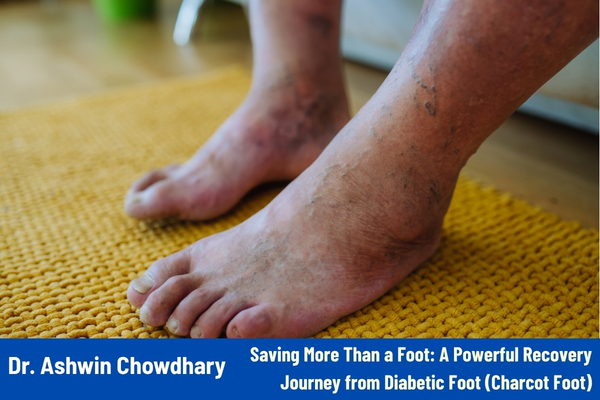
Introduction: When Diabetes Begins Affecting Mobility
At 56, Mr. Rajesh Agarwal had been managing diabetes for several years. Like many people living with diabetes, he paid attention to his blood sugar levels but overlooked occasional numbness and swelling in his feet.
Gradually, he began experiencing redness, instability, and difficulty walking. What initially appeared to be a minor foot issue soon became a serious condition affecting his mobility and independence.
After medical evaluation, he was diagnosed with Charcot Foot—a severe diabetic foot complication that can damage bones and joints in the foot if left untreated.
The Emotional and Physical Challenges
Living with Charcot Foot deeply affected Rajesh’s life.
He experienced:
- Swelling and deformity in the foot
- Difficulty walking and balancing
- Fear of ulcers, infection, and amputation
- Emotional stress and loss of confidence
The condition gradually restricted his daily activities and affected his overall quality of life.
Expert Consultation: A Step Toward Hope
Searching for specialized treatment, Rajesh consulted Dr. Ashwin Chowdhary, an orthopedic surgeon specializing in foot and ankle surgery.
After a detailed examination and imaging studies, Dr. Chowdhary diagnosed advanced diabetic foot changes caused by neuropathy and joint destruction associated with Charcot Foot.
He carefully explained the seriousness of the condition and emphasized the importance of timely treatment to preserve foot function and prevent complications.
Understanding Charcot Foot and Diabetic Foot Complications
Charcot Foot occurs when nerve damage caused by diabetes weakens the bones and joints of the foot, leading to fractures, deformity, and instability.
Common symptoms include:
- Swelling and warmth in the foot
- Redness and deformity
- Difficulty walking
- Reduced sensation due to neuropathy
Risks of delayed treatment:
- Foot ulcers
- Severe deformity
- Infection
- Increased risk of amputation
Early diagnosis and specialized orthopedic care are essential for successful treatment.
The Treatment Journey: Advanced Foot & Ankle Care
Dr. Chowdhary developed a personalized treatment plan focused on stabilizing the foot and preventing further damage.
The treatment approach included:
- Immobilization and protective footwear
- Advanced diabetic foot care
- Surgical correction and stabilization where required
- Rehabilitation and gait training
The goal was to preserve mobility, improve stability, and reduce long-term complications.
Recovery Journey: Regaining Confidence Step by Step
Recovery required patience, careful monitoring, and lifestyle adjustments.
Rajesh’s rehabilitation included:
- Regular diabetic foot evaluations
- Controlled weight-bearing exercises
- Physiotherapy and strengthening programs
- Strict diabetes management
Over time, his swelling reduced, foot stability improved, and he regained confidence in walking again.
Final Outcome: A Future Protected Through Timely Care
Today, Rajesh Agarwal is leading a more comfortable and independent life.
With proper diabetic foot care and orthopedic treatment, he can walk with significantly improved stability and confidence. His journey highlights the importance of early intervention and expert care in preventing severe diabetic foot complications.
Frequently Asked Questions (FAQ): Diabetic Foot (Charcot Foot)
What is Charcot Foot?
Charcot Foot is a serious complication of diabetes where weakened bones and joints in the foot become damaged due to nerve loss.
What are the warning signs of diabetic foot problems?
Swelling, redness, warmth, numbness, deformity, and difficulty walking are important warning signs.
Can Charcot Foot be treated without surgery?
Early-stage cases may be managed with immobilization and specialized footwear, while severe deformities may require surgery.
Why is early diagnosis important?
Timely treatment can prevent ulcers, severe deformity, infection, and possible amputation.
How can diabetic foot complications be prevented?
Regular foot examinations, blood sugar control, proper footwear, and immediate medical attention for foot changes are essential.
Conclusion: Protecting Mobility Through Specialized Care
Diabetic foot complications can become life-changing if ignored, but modern orthopedic and diabetic foot care can help preserve mobility and independence.
Under the expert supervision of Dr. Ashwin Chowdhary, patients can receive advanced treatment focused on stabilizing the foot, preventing complications, and restoring confidence.
Rajesh’s story is a powerful reminder that early diagnosis, specialized care, and proper diabetes management can help patients overcome Charcot Foot and continue living active, fulfilling lives.