
Introduction: When a Small Foot Problem Becomes Serious
At 58, Ramesh Agarwal had been living with diabetes for over a decade. Like many, he managed it with medication and routine precautions. However, he began noticing swelling and mild discomfort in his foot.
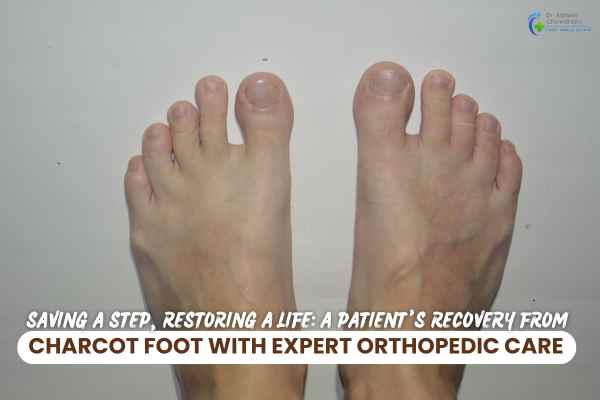
At first, it did not seem alarming. There was no severe pain, just a slight change in shape and occasional difficulty while walking. But over time, the condition worsened. His foot became unstable, swollen, and deformed, making it difficult to walk even short distances.
What seemed like a minor issue was actually the beginning of a serious condition.
Struggles and Delayed Treatment
Ramesh initially ignored the symptoms, assuming they were temporary. He tried:
- Rest and home remedies
- Basic medications
- Footwear adjustments
However, the swelling increased, and the structure of his foot began to change. Walking became unsafe, and he feared losing mobility altogether. The emotional stress of possibly facing long-term disability began to weigh heavily on him.
Consultation and Diagnosis
Concerned about the progression, he consulted Dr. Ashwin Chowdhary, an experienced orthopedic surgeon specializing in complex foot conditions.
After a detailed clinical examination and imaging studies, he was diagnosed with Charcot Foot, a serious complication of diabetes where the bones in the foot weaken and collapse due to nerve damage.
Dr. Chowdhary explained that early diagnosis and proper diabetic foot treatment are crucial to prevent severe deformity and complications.
The Turning Point: Choosing the Right Treatment
Given the severity of his condition, a structured treatment plan was recommended. This included immobilization, specialized footwear, and in advanced stages, surgical correction to stabilize the foot.
Understanding the risks of delaying treatment, Ramesh decided to follow the doctor’s advice. The clarity and reassurance provided by the doctor helped him regain confidence in the recovery process.
Understanding Charcot Foot and Its Treatment
Charcot Foot is a serious condition often associated with long-standing diabetes. Due to nerve damage, patients may not feel pain, allowing injuries to worsen unnoticed.
Effective diabetic foot treatment focuses on:
- Protecting the foot from further damage
- Stabilizing the bones and joints
- Preventing deformity and ulcers
- Restoring safe mobility
Advanced orthopedic care plays a crucial role in managing and treating this condition effectively.
Recovery Journey: Gradual Healing and Stability
With proper treatment and close monitoring, Ramesh’s recovery began:
- Immobilization helped reduce swelling and prevent further damage
- Customized footwear improved stability
- Gradual rehabilitation restored his ability to walk safely
His progress was steady, and with each improvement, his confidence grew stronger.
Final Outcome: Walking Towards a Safer Future
Today, Ramesh Agarwal is able to walk with stability and confidence. He has regained control over his mobility and continues to manage his condition with proper care and precautions.
His journey highlights the importance of early diagnosis and expert orthopedic intervention in managing diabetic foot conditions.
Frequently Asked Questions (FAQ): Charcot Foot / Diabetic Foot
What is Charcot foot?
Charcot Foot is a condition where weakened bones in the foot fracture and collapse due to nerve damage, often associated with diabetes.
What are the early signs of Charcot foot?
Common signs include swelling, redness, warmth, and changes in foot shape, often without significant pain.
Why is Charcot foot dangerous?
If left untreated, it can lead to severe deformity, ulcers, infection, and even risk of amputation.
How is Charcot foot treated?
Treatment includes immobilization, specialized footwear, and sometimes surgery to stabilize the foot and prevent complications.
Can Charcot foot be prevented?
Yes, proper diabetes management, regular foot check-ups, and early medical attention can significantly reduce the risk.
Conclusion: Early Action Can Protect Your Mobility
Diabetic foot conditions like Charcot foot can progress silently but have serious consequences if ignored. The good news is that with timely intervention and expert care from specialists like Dr. Ashwin Chowdhary, effective treatment is possible.
Ramesh’s journey is a powerful reminder that early diagnosis and proper diabetic foot care can preserve mobility, independence, and quality of life.
If you are living with diabetes and notice any changes in your feet, seeking medical advice promptly can make all the difference.